
How do students learn to approach complex problems, consider different perspectives, and develop solutions that respond to real needs?
At Busan Foreign School, we believe one of the best ways is to give them an opportunity to try.
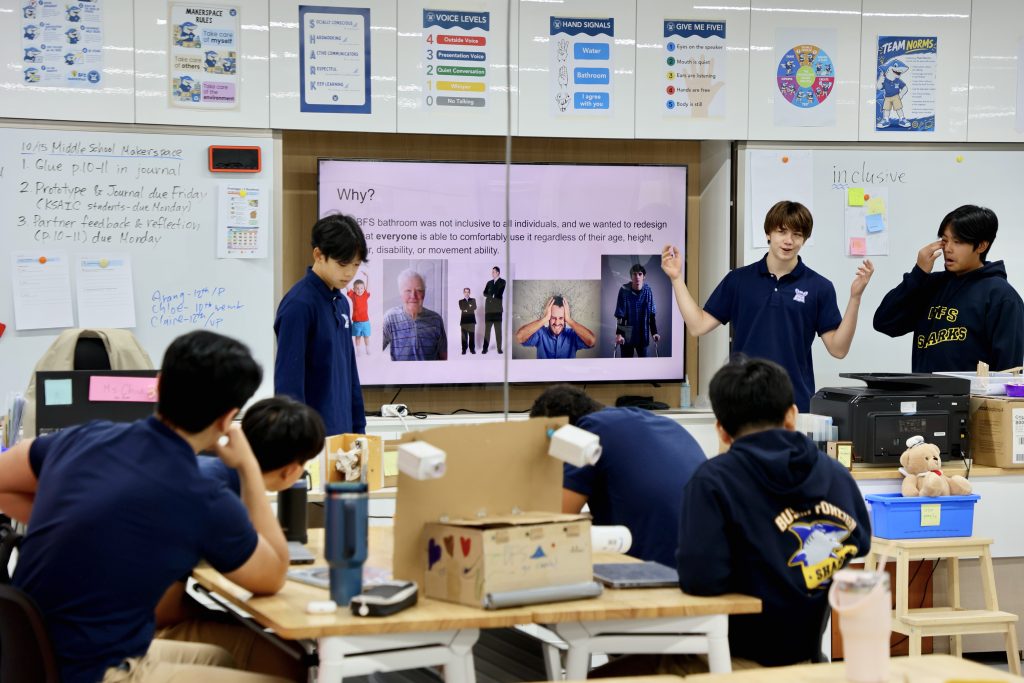
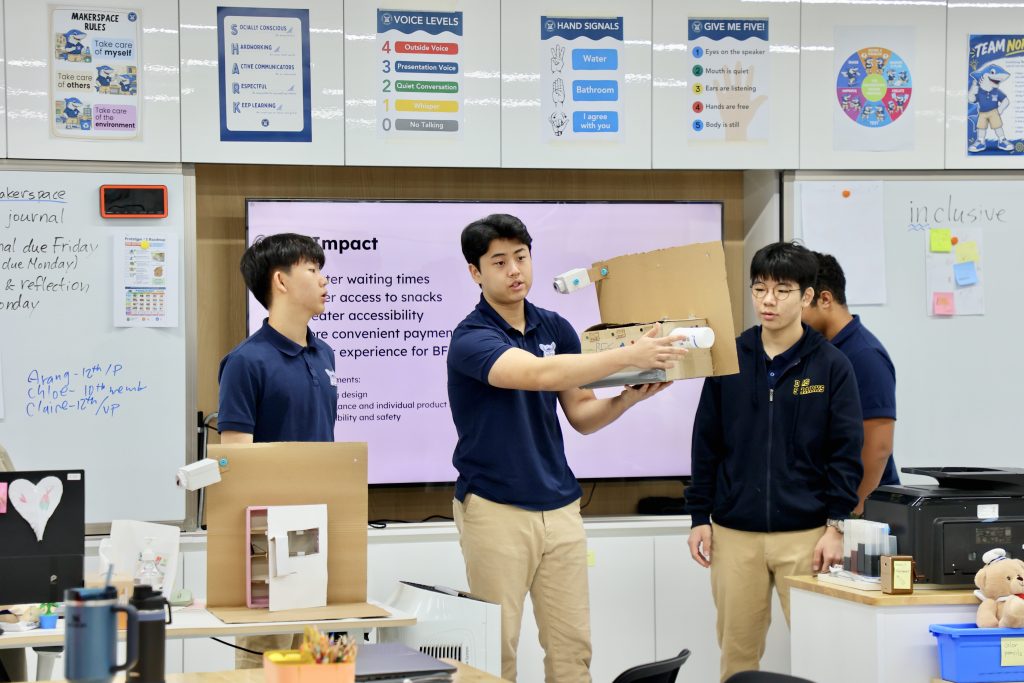
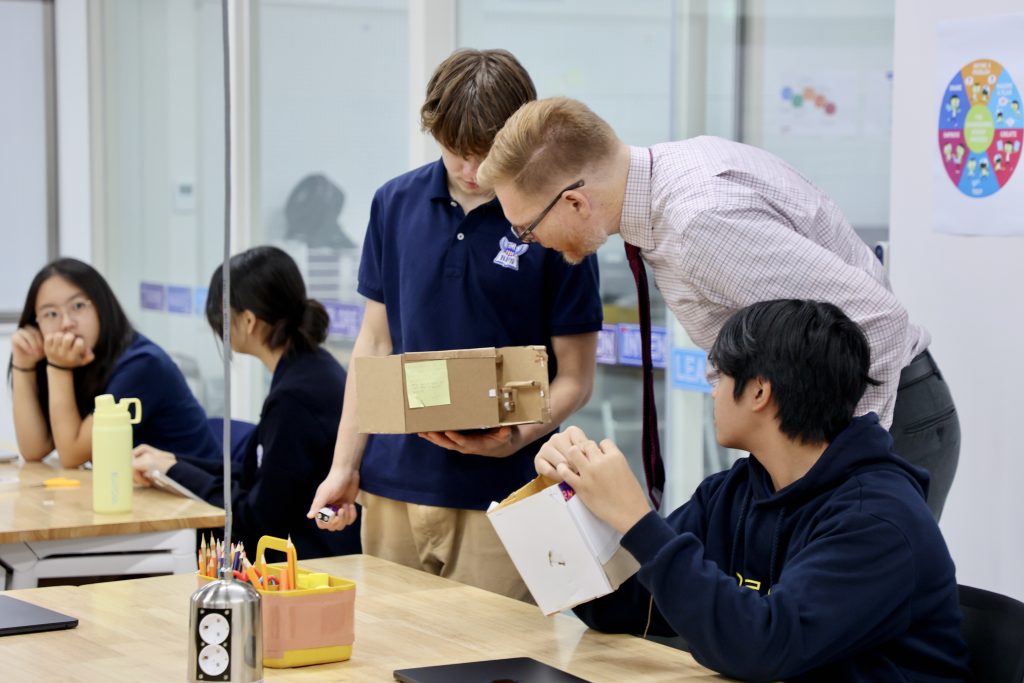
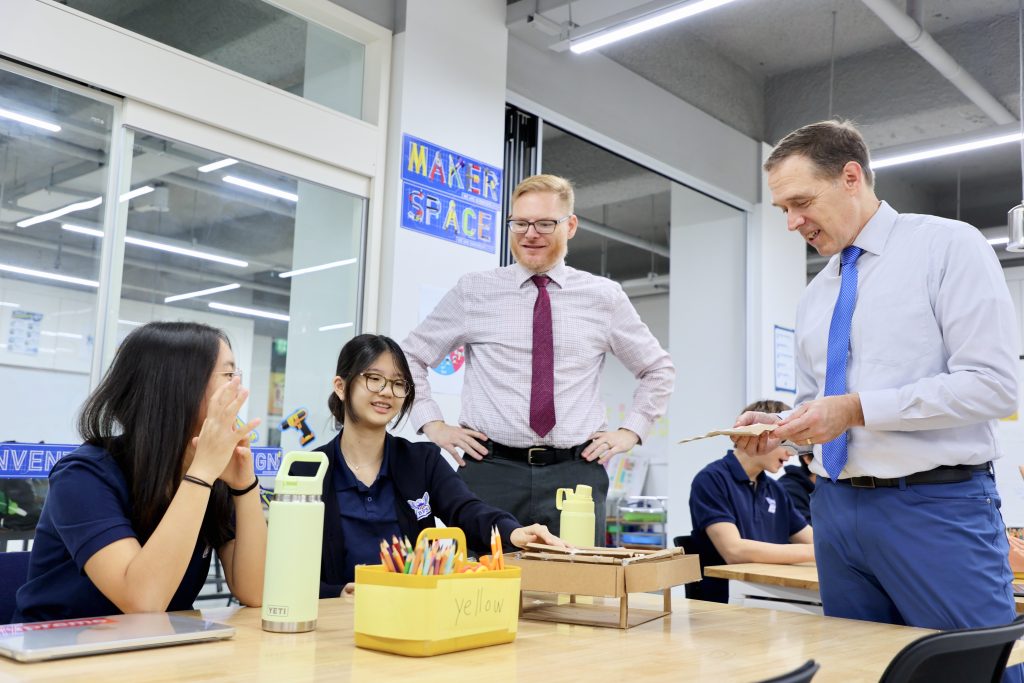
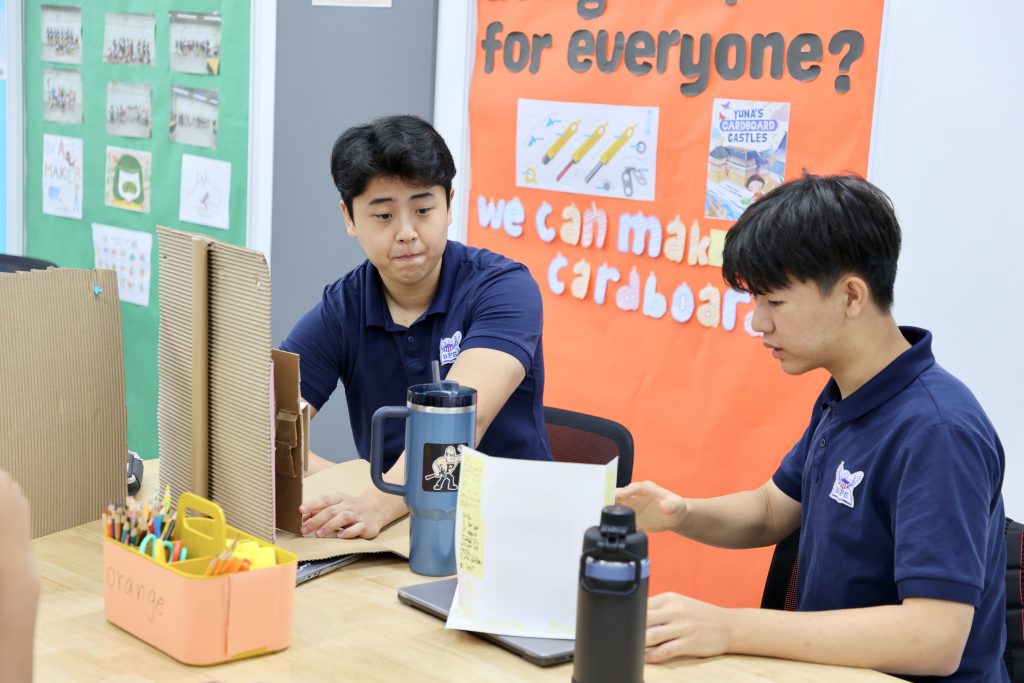
In our recent BFS Redesign Challenge, students worked in teams to identify opportunities to improve school spaces, furniture, and equipment using Stanford d.school’s Design Thinking framework alongside the Engineering Design Process.
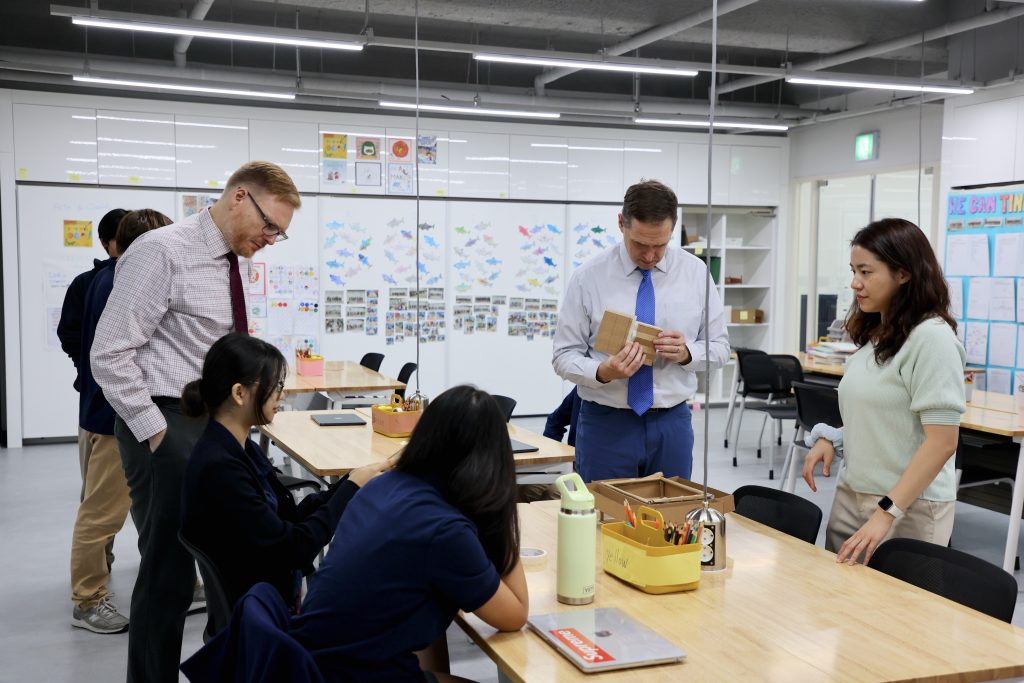
Their work began with observation and empathy interviews, helping them understand the experiences and needs of the people who use these spaces every day.
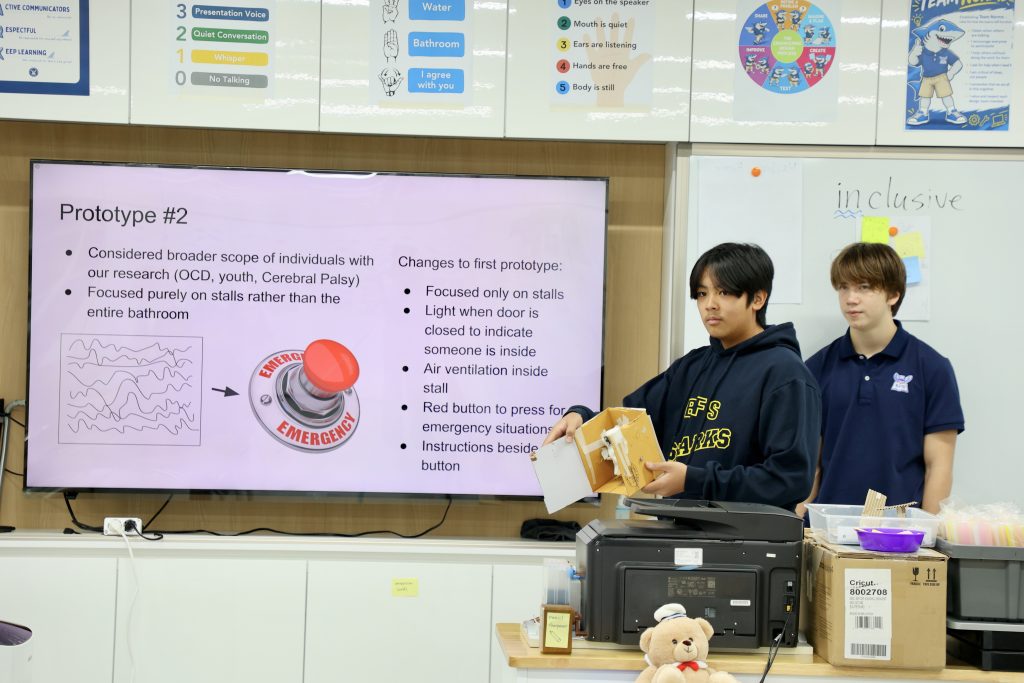
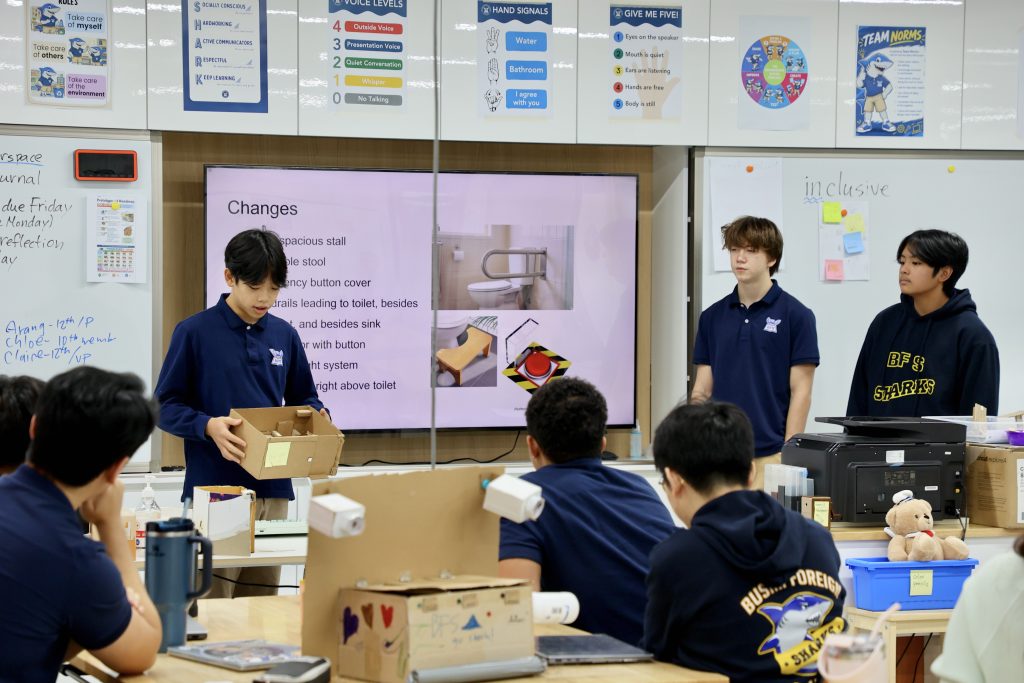
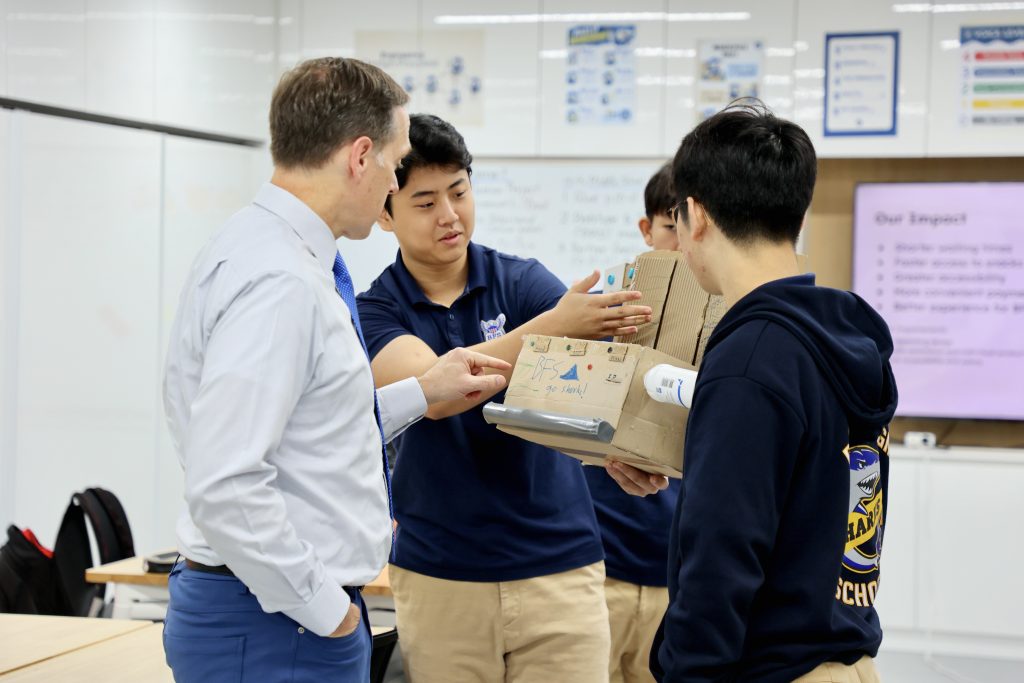
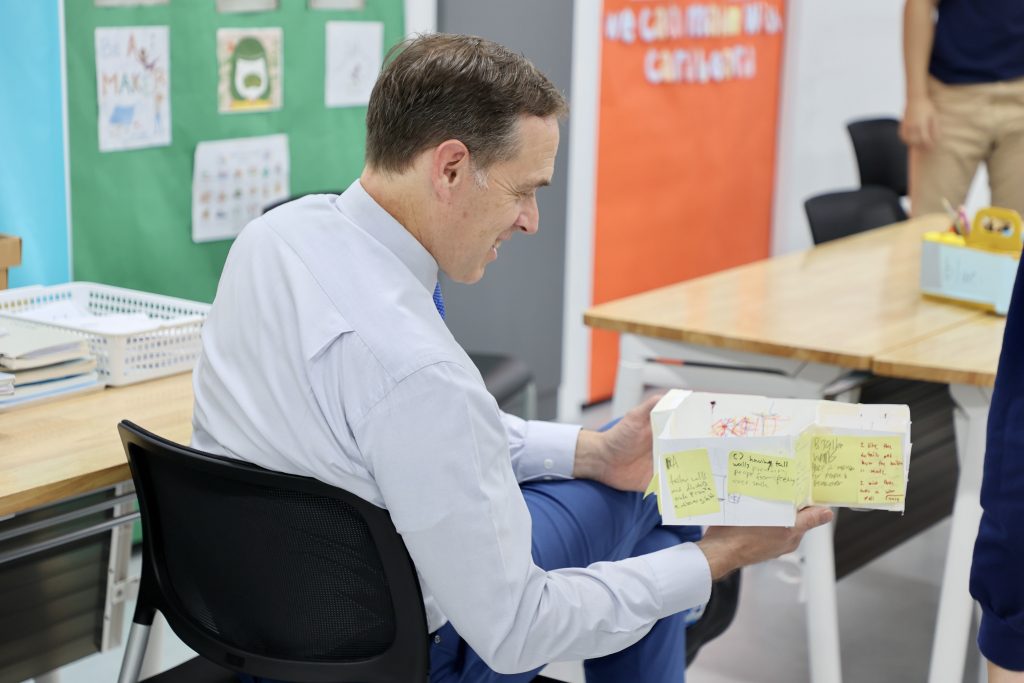
From there, students moved through three rounds of prototyping, refining their ideas through user feedback, accessibility and inclusion considerations, and the principles of Minimum Viable Product (MVP) development.
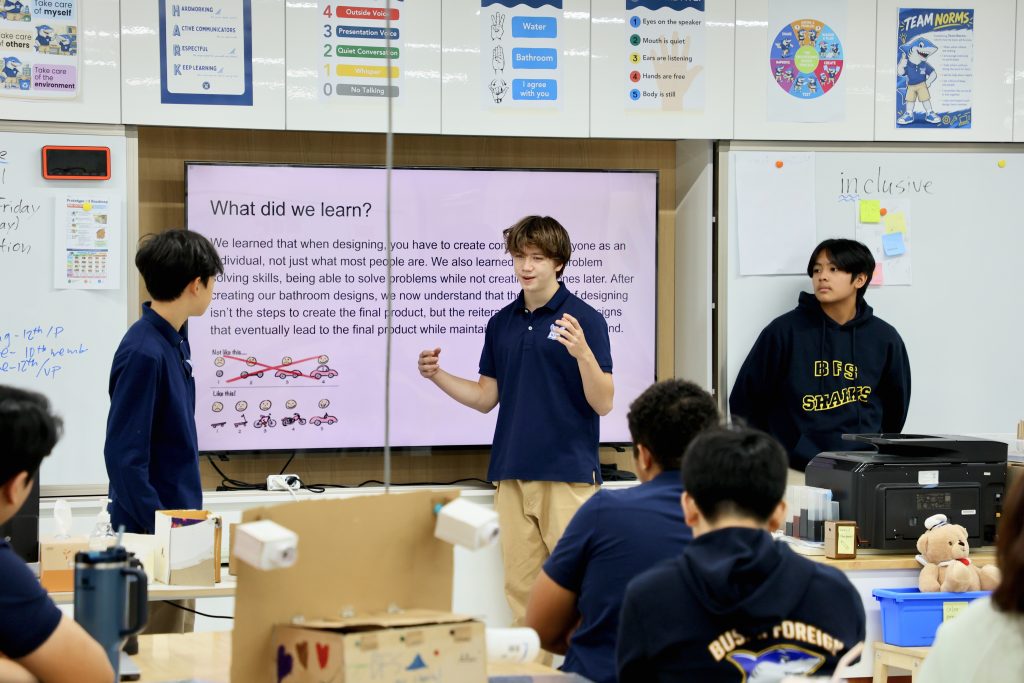
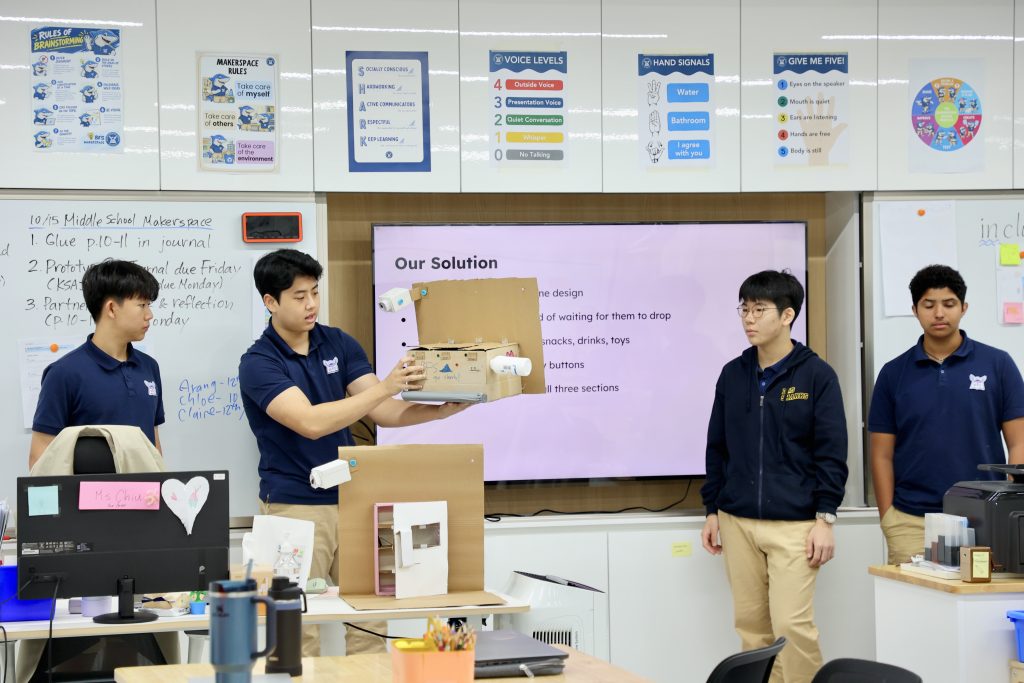
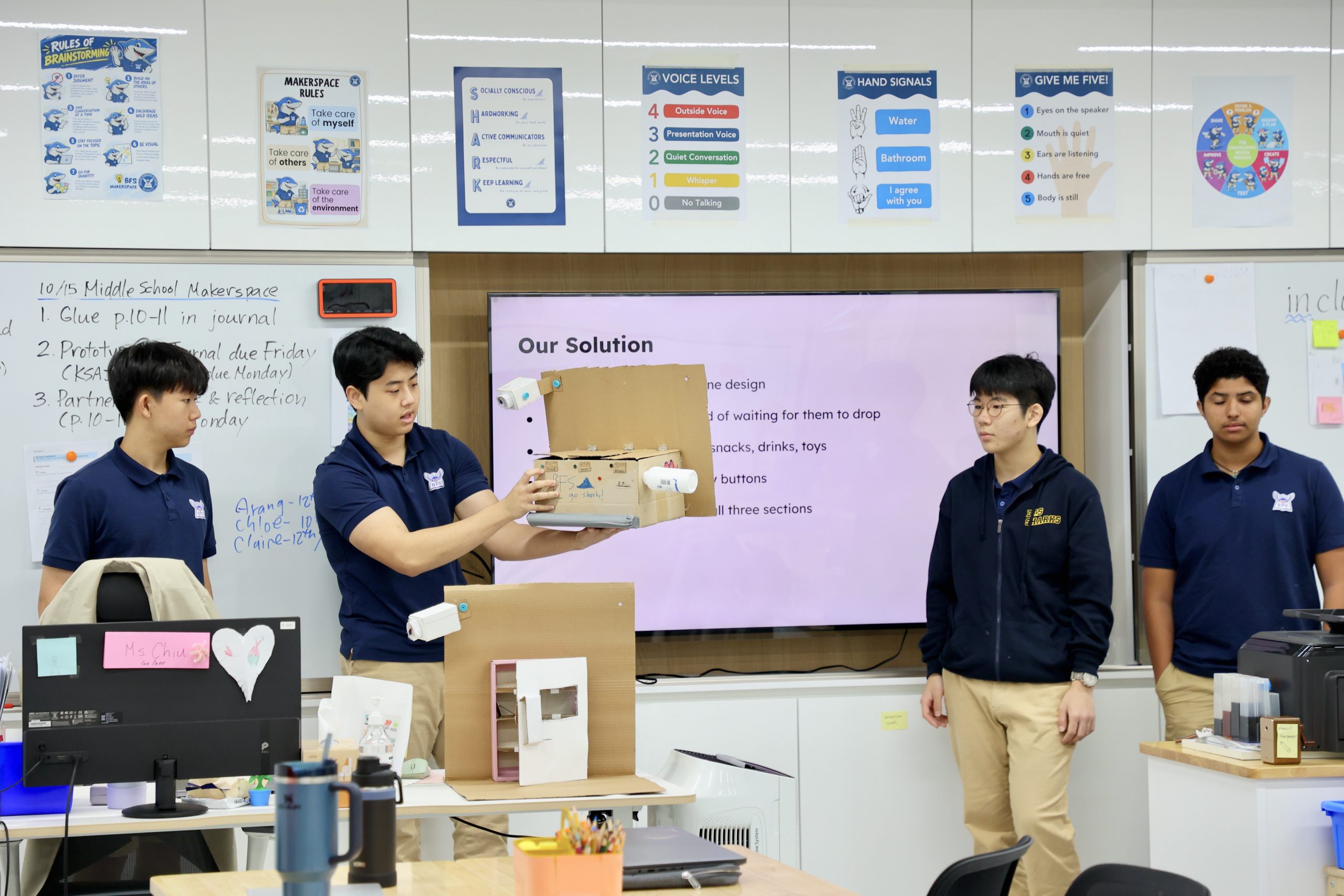
The experience culminated in presentations to members of the BFS community, where students explained their design decisions, demonstrated their prototypes, and reflected on how their thinking evolved.
What makes this experience particularly valuable isn’t simply the final product. It’s the process of learning to question assumptions, listen to others, work collaboratively, and recognize that meaningful innovation rarely happens on the first attempt.
These are skills that extend well beyond the classroom, preparing students to approach unfamiliar challenges with curiosity, empathy, and confidence.
At BFS, innovation begins with understanding people.